Nobody was building parts-work technology for these communities. So we did.
We spent six months working with three senior clinicians to teach Parts Companion how LGBTQ+ and Global Majority experiences actually show up in therapy — and how easily they get missed. This is the story of that work.
Technology this powerful should serve all people.
Evolve Labs builds Parts Companion around one commitment: powerful technologies like AI deserve mindful implementation — the kind that serves everyone it touches. That commitment shows up in how little energy we use, in a product philosophy where AI supplements a person's own discovery and agency rather than replacing it, and in choosing to invest deeply in work like this.
General-purpose AI is trained on the internet's center of gravity. Left alone, it inherits the same blind spots many clients already meet in the world — and sometimes in the therapy room: the softened word, the explained-away experience, the identity treated as a problem to manage. The big AI brands rarely prioritize fixing this for a therapy context. We think it belongs at the heart of one.
Not a disclaimer, and not a coat of affirming paint. It is the product learning — from clinicians with lived and professional experience — what these clients actually bring to therapy, where practitioners commonly stumble, and how to hold both honestly: for the client in their own notes, and for the practitioner in their feedback and consultation.
Nobody asked us to build this. People chose it the moment it appeared.
The most-chosen theme of all? Neurodiversity — the one still in the works. Every account that picked it is saved and waiting for the day it goes live.
Guided by the field's foremost voices.
We went to the clinicians the field itself learns from. Each wrote the themes for the community they know from the inside — what clients carry, how it presents in session, what practitioners get wrong, and what attuned care sounds like. Then they graded our work against their own standards.
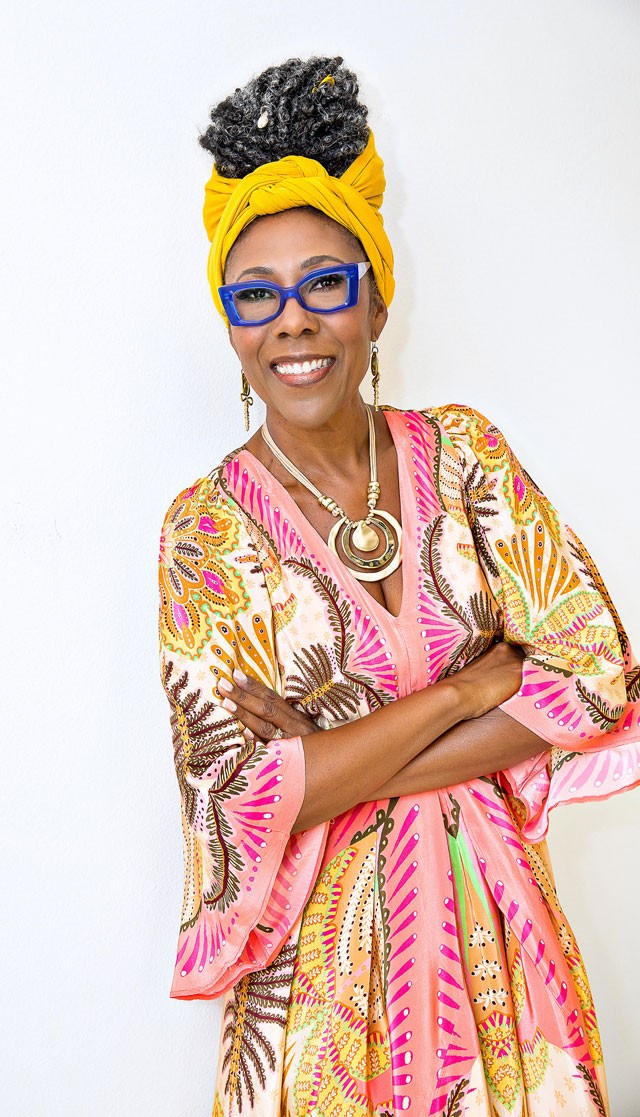
The first Black IFS™ Lead Trainer, with over 25 years of clinical experience. Author of Listening When Parts Speak, integrating IFS™ with ancestor wisdom to heal personal and generational trauma. Tamala authored our framework of nine kinds of racism-related harm.
“This persona is so good… I feel like Marcos has sat across from me in a session. The things he was holding, I've heard many, many times. These are my clients.”

A depth-oriented psychologist and IFS™ Lead Trainer integrating IFS™, Somatic Experiencing, EMDR, and liberation-focused trauma work. Author of All Parts Welcome: The Queer and Trans Internal Family Systems Workbook and A Clinician's Guide to Gender-Affirming Care. Sand authored eleven trans, nonbinary, and queer clinical themes — and pushed us hardest on what real repair requires.
“I love that there's these very specific, concrete examples.”
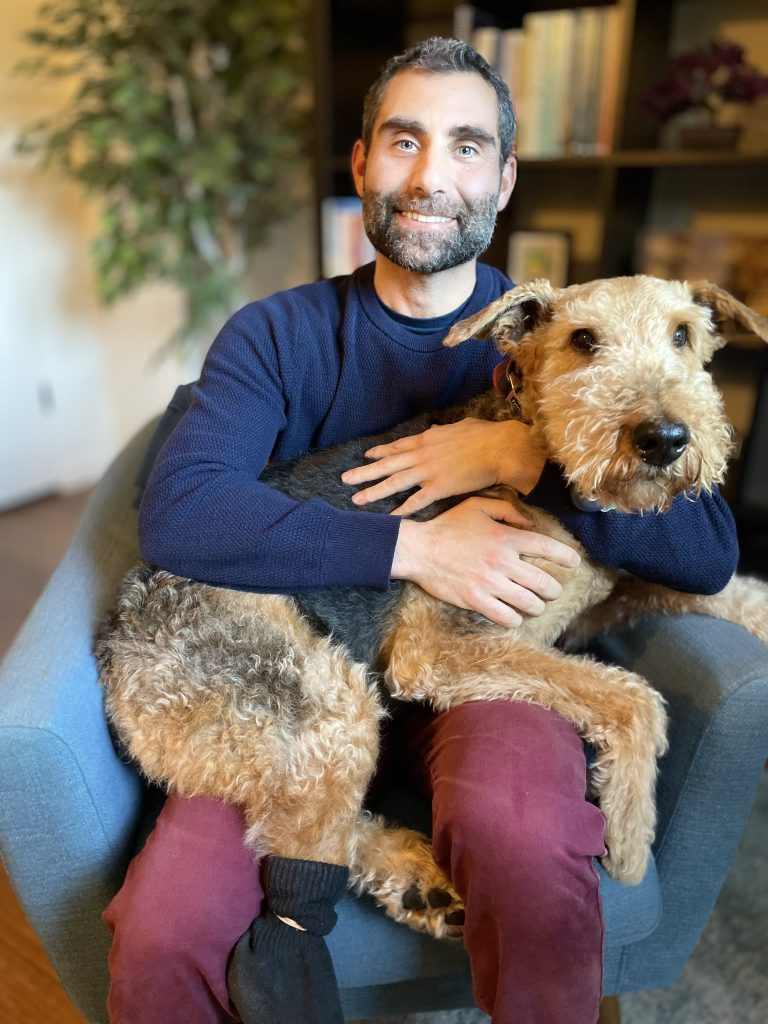
A licensed clinical social worker specializing in IFS™ therapy with gay and queer men and trauma survivors. Max authored twelve gay and queer male clinical themes — and gave this work its name, insisting on attunement over “handling.”
“I'm really impressed. I did not expect it to be this thorough.”
“That's often why people of color will leave their therapists — often without even saying anything — because they're not feeling heard, and they're feeling that what they're experiencing is being challenged, minimized, or just completely ignored.”
“The impact in a store is different from the impact from your therapist. I want to emphasize how much power a therapist has.”
“You can lose a client over that.”
“So many clients will fawn… they'll say it's fine, it's fine — because their parts want to keep things moving.”
This is what we build with the time and care we have.
Parts Companion turns real sessions into notes, parts, and reflections that practitioners and clients actually recognize. Cultural attunement is one part of that care.
The themes, mapped by the people who know them.
Every theme came with the same anatomy: how it presents in session, the missteps practitioners commonly make, and what attuned handling sounds like — for the client's own notes and for the practitioner's feedback.
LGBTQ+ Themes
Eleven trans, nonbinary, and queer themes from Sand; twelve gay and queer male themes from Max. Together they cover the terrain from identity exploration to the realities of safety, family, community, and care.
Global Majority Themes
Tamala's framework names nine kinds of racism-related harm — informed by her practice, her supervisees, and focus groups she ran with Global Majority therapists — each translated into what Parts Companion should notice and honor.
Neurodiversity Themes
Awareness of ADHD, autism, and other neurodivergent experiences within the parts framework — the next attunement we're building, following the same path: clinical experts first, then themes, then testing until it holds.
Ideas that now live in the product.
Some concepts came up so often, across all three experts, that they became rules the product holds itself to.
Repair
The signature concept of this work. A quick “sorry” that rolls straight on is not a repair. Real repair owns the miss, checks how it landed, and acknowledges the power difference in the room. Parts Companion now credits what a practitioner repaired — and names what the repair skipped.
Identities are not parts
Blackness, transness, queerness — these are never “parts” to work on. Parts hold reactions to identity and to how the world treats it. The product never names a part by an identity category unless the client did.
The client's own words
If a client says “racism,” their notes say racism — never “bias” or “workplace stress.” They “experienced” it; they didn't “perceive” it. Corrections a client makes in session are honored everywhere afterward.
Survival wisdom, not symptoms
Code-switching, scanning a room, careful disclosure — these are adaptive intelligence, described by what they protect and what they cost. Never “hypervigilance,” never “resistance.”
Honesty before comfort
Practitioner feedback leads with the most significant growth area instead of cushioning it in praise. In our testing, some practitioner scores went down when attunement was on — because the assessment finally told the truth about missed moments.
The education burden
Clients from marginalized communities are so often put to work teaching their own therapist. The product notices when a session slides into that pattern — and helps the practitioner carry their own learning instead.
Tested the way medicine is tested: against a control.
Good intentions aren't evidence. So we built a testing loop with frozen rules, a real control condition, and independent graders — and iterated until the experts' standards held.
Experts map the themes
Each clinician wrote the themes, common practitioner missteps, and what attuned handling looks like.
Realistic practice sessions
Fourteen full-length (50–60 minute) practice sessions, with practitioner missteps deliberately scripted in at known moments. The experts vetted them as authentic.
Baseline, three times over
Each session ran through the product with attunement off — three times — to establish an honest control and its natural variation.
Iterate, graded blind
One careful change at a time, with independent evaluators grading every run against a rulebook frozen in advance. They never see what we changed.
Hold it, three runs straight
A change only counts when the results repeat: every scripted misstep caught, and the experts' language rules held, across three consecutive runs.
Sand's review alone produced a new graded requirement (repair adequacy — previously never checked, now flagged in ~28 of 33 test moments), a brand-new scripted misstep (prejudice dressed as a compliment), and language calibrations throughout. Tamala added a ninth kind of harm — internalized racism — midway through, and we rebuilt a session from scratch to test it. Their review wasn't a rubber stamp; it was the loop.
Same session. Same moment. Attunement on.
Real, unedited output from our practice sessions — the same transcript processed with cultural attunement off, then on. (These are scripted practice sessions written for testing, never real client data.)
“…Both parts want you to exist authentically — they just disagree on timing and safety.”
“You corrected the practitioner's framing early on — ‘I was assigned female at birth’ rather than ‘born a girl’ — and later clarified that ‘being real and being out aren't the same thing.’”
“Your repairs were thorough and genuine.”
“The repair acknowledged the error but moved forward without checking how it landed, leaving the rupture incompletely tended… the cumulative effect placed the client in an educating role.”
“…systemic inequity…”
“…environmental racism… that's discriminatory.”
“Managing Family Vigilance: The Cost of Conditional Acceptance”
“Scanning the Room: Managing Safety at a Family Wedding”
Attuned sessions get one more pass before notes are saved: an automatic editor re-reads the transcript, checks that every correction and important disclosure actually made it into the summary, and repairs gaps using only verbatim evidence from the session — never inventing an apology or a resolution that didn't happen.
See what it sounds like on your own sessions.
Every example above came from practice sessions built for testing. The real proof is your own work — record a session, and read what comes back.
Turned on deliberately, person by person.
Cultural attunement is never assumed and never guessed from a transcript. It's a setting turned on deliberately, one person at a time — by a client for themselves, or by a practitioner for a client they know well. It never applies as a blanket default, and it's always visible and reversible.
“What you all are doing is so different from what they're afraid of… something so completely different that I feel enhances and supports what the therapist is doing — not making the therapist obsolete.”
“It's working. Yes, absolutely… what excites me is how this then trains the therapist.”
“This seems culturally attuned to me… I didn't really see any missteps in this one.”
“This is the kind of work I love doing.”
Every part of you belongs here.
Cultural attunement is live today for LGBTQ+ and Global Majority themes, with Neurodiversity on the way. Turn it on in minutes — for yourself, or with your practitioner.